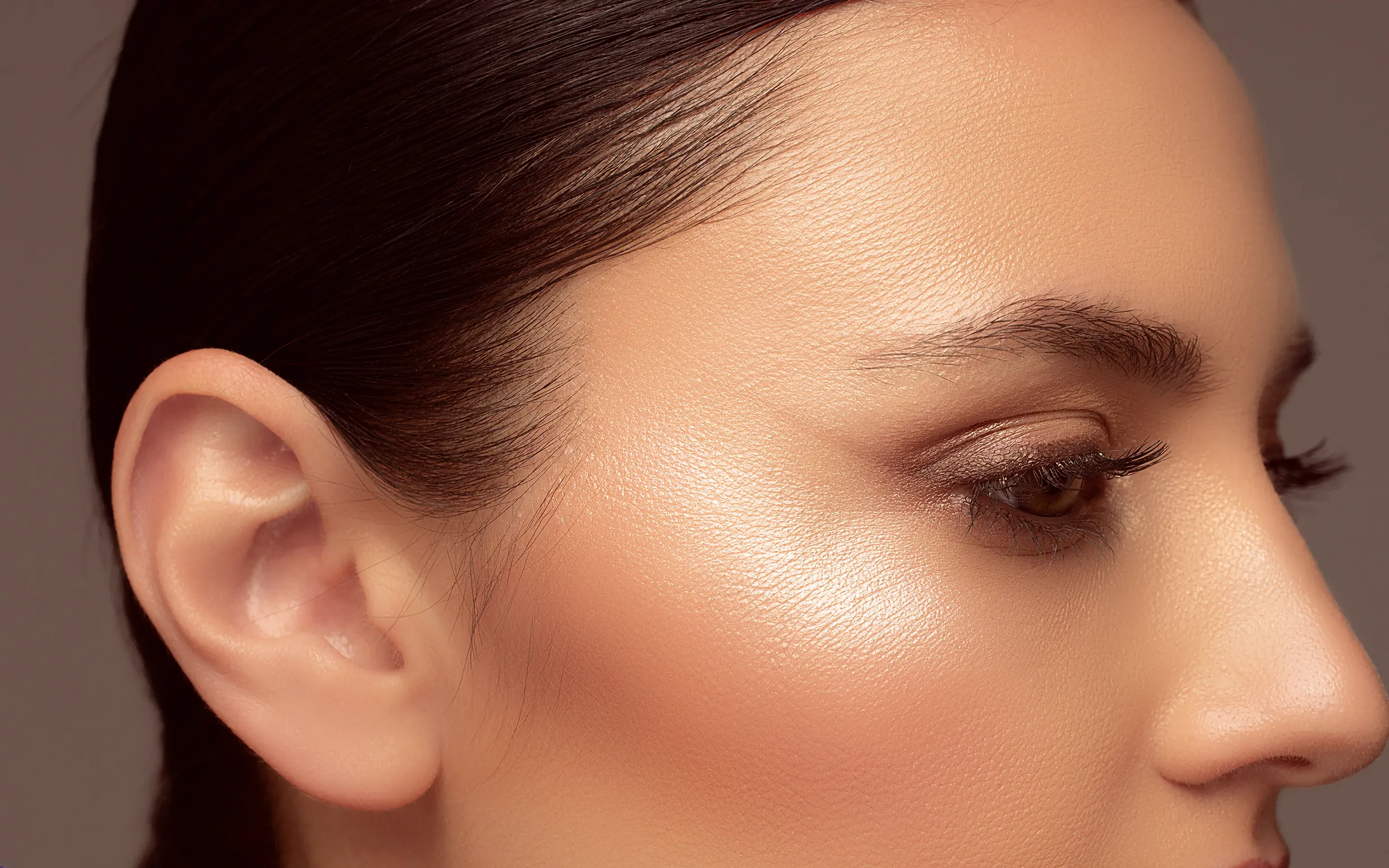
Botox
Botox softens lines that come from movement. It does not fill hollows or lift sagging skin — those are different treatments.
What does Botox do?
Botox — a purified botulinum toxin — temporarily relaxes the small muscles that crease the skin when we frown, raise the brows or smile, softening the lines they cause.
Common areas are the frown between the brows, horizontal forehead lines and the crow's feet. It can also lift the outer brow slightly, soften vertical neck lines, or reduce excessive sweating. The aim is a face that still moves and expresses, with less creasing.
Who is Botox suitable for — and who should avoid it?
Adults with lines caused by muscle movement who want to soften them without surgery.
- Pregnancy and breastfeeding: treatment is avoided.
- Certain neuromuscular conditions: such as myasthenia gravis, are a contraindication.
- Deep lines present at rest: Botox softens them only partly; filler or skin treatment may be added.
- Heavy brows or upper lids: forehead treatment can drop the brow further and is planned carefully.
Where is Botox injected, and what does a session involve?
A few tiny injections with a fine needle into the target muscles, in a session of about ten to fifteen minutes, leaving no scar.
The doses and points are planned from how each face moves. Small red marks fade within an hour or so.
Is there any downtime after Botox, and how long does it last?
There is usually no downtime. The effect begins after a few days, peaks at about two weeks, and lasts on average three to four months.
- First hours: avoid rubbing the area, lying flat or strenuous exercise.
- Review: at around two weeks, when small adjustments can be made.
- Repeat treatment: when movement returns, usually after three to four months.
Possible risks and complications of Botox
Possible side effects include: bruising or redness at the injection points, headache, temporary drooping of an eyelid or brow if the toxin spreads to a neighbouring muscle, asymmetry, an over-frozen look, and rarely allergic reaction. Effects are temporary and wear off as the treatment does.
Questions about Botox
Will Botox make my face look frozen?
Not when the dose is matched to the face. The aim is to reduce creasing while keeping natural expression.
Does Botox stop working over time?
Most people respond consistently. A small number develop reduced response with frequent high doses, which is one reason to keep doses appropriate and intervals reasonable.
Ask about this procedure
Send your enquiry on WhatsApp and a member of the team will reply during working hours to arrange a suitable appointment.
Ask on WhatsAppRelated procedures
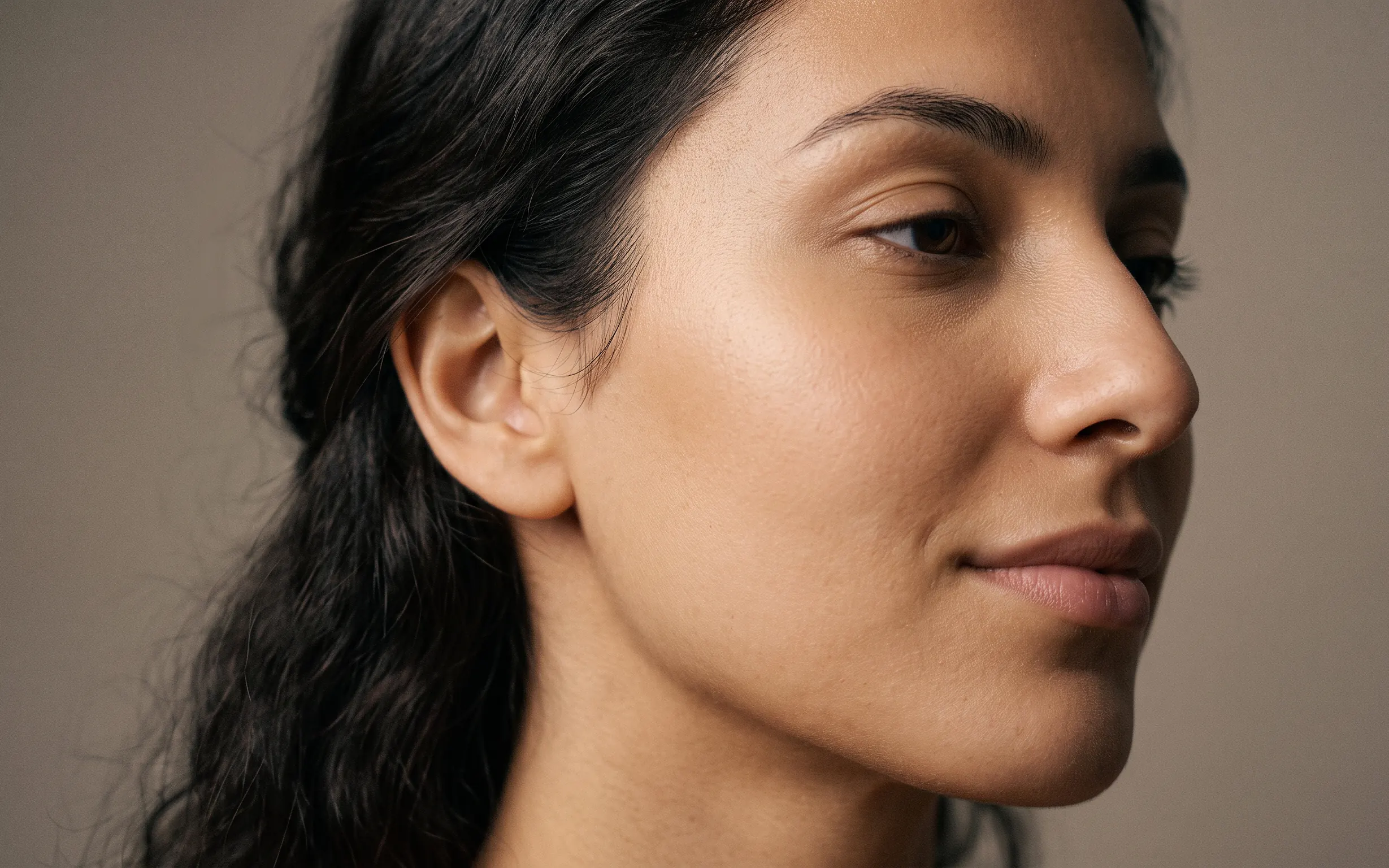
Filler
Hyaluronic acid gel injected to restore volume or refine contours — lips, cheeks, chin, jawline, under-eye — with a result that is adjustable and temporary.
Read more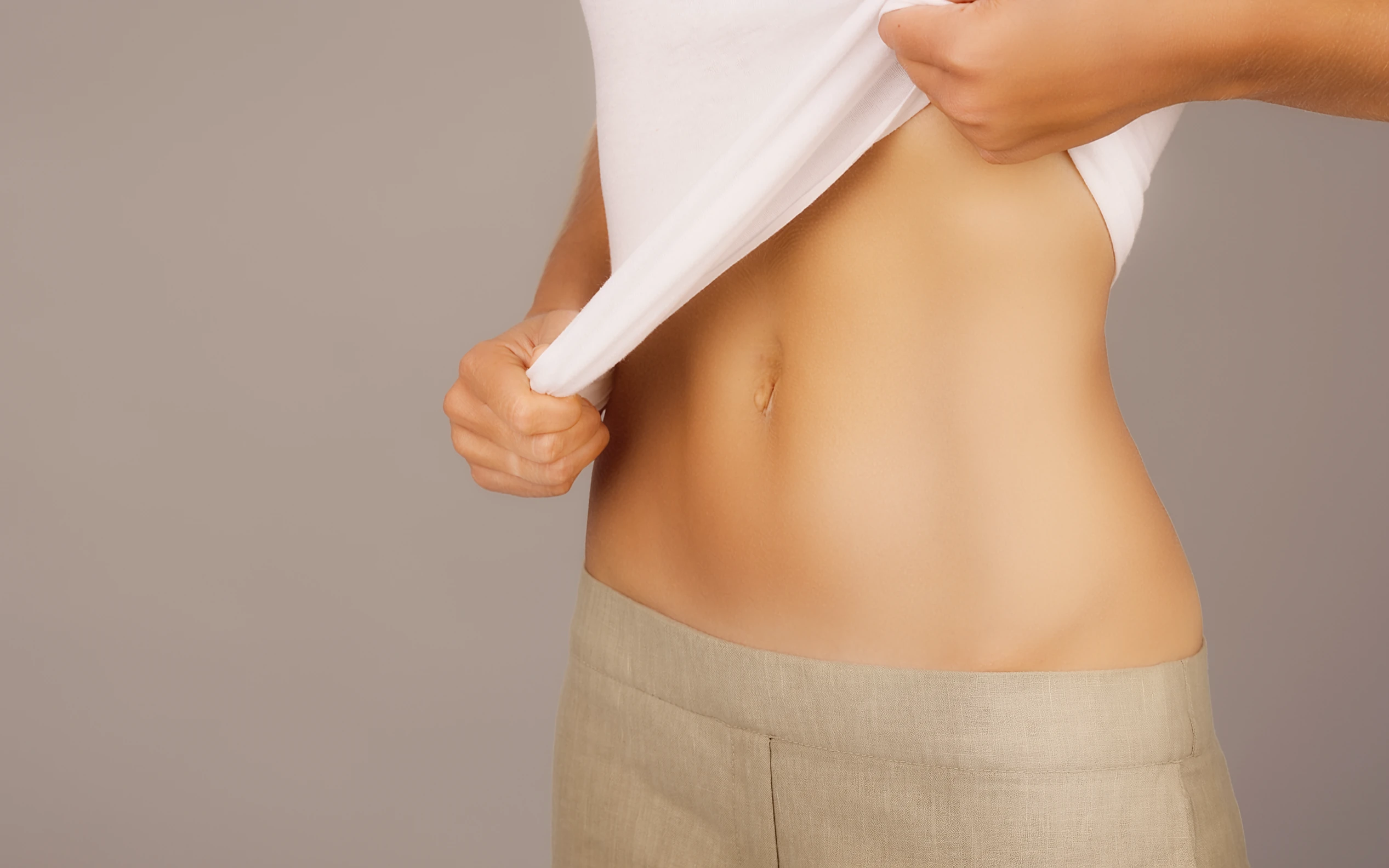
Liposuction & body contouring
Reshaping the body's contour by removing stubborn fat from defined areas, and where suitable, revealing the natural muscle definition beneath (4D body contouring).
Read more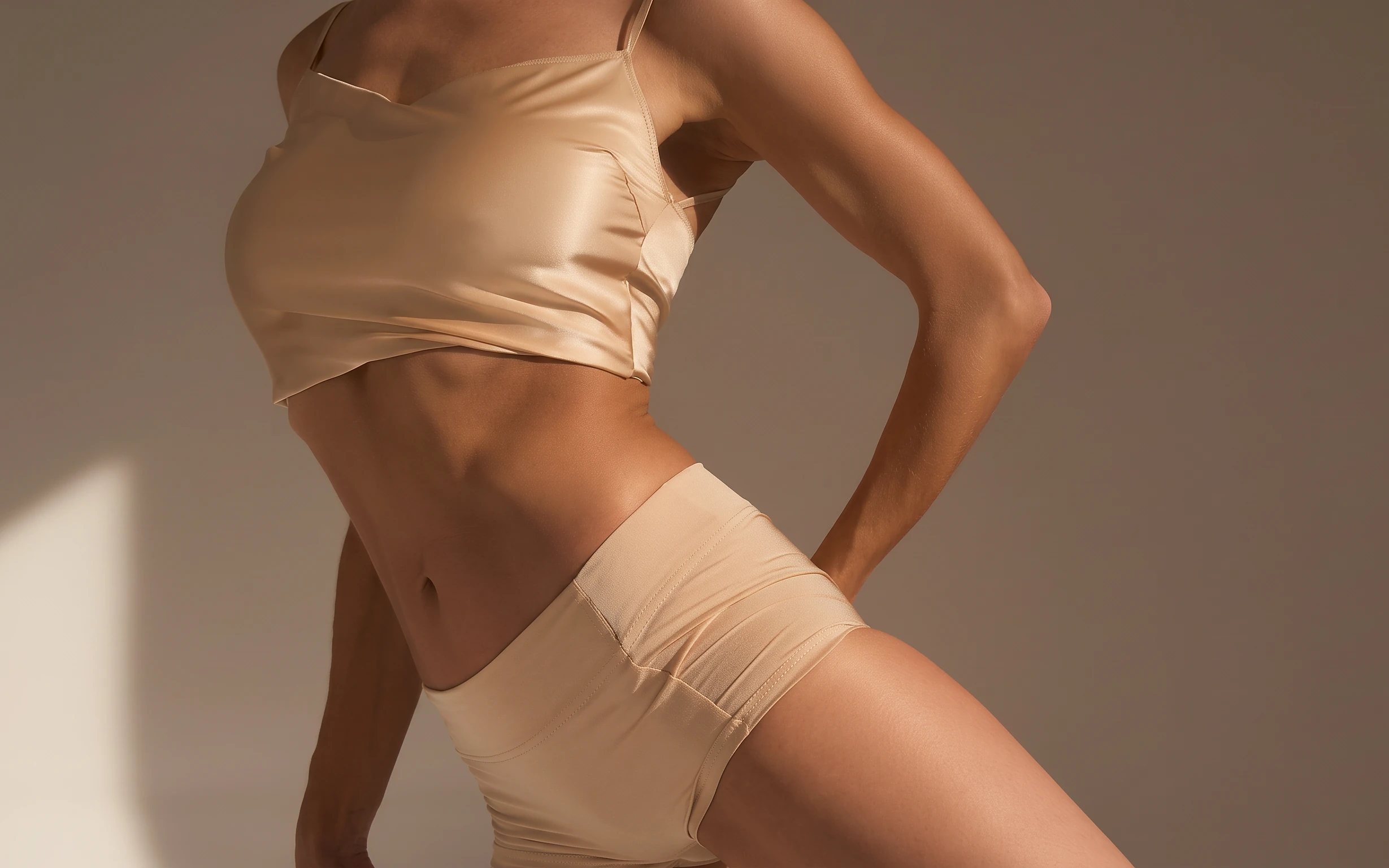
Abdominoplasty (tummy tuck)
Addressing loose skin and separated abdominal muscles that exercise cannot correct, most often after pregnancy or weight loss.
Read more