
Upper body lift
After major weight loss, loose skin often gathers in rolls on the upper abdomen, the upper back and along the bra line — areas no tummy tuck or breast operation reaches.
What is an upper body lift?
An upper body lift removes horizontal folds of loose skin and fat across the upper abdomen, the back and the sides of the chest, tightening the upper trunk.
It is frequently combined with an arm lift, because the laxity often continues from the side of the chest into the arm, and sometimes with breast surgery. It belongs to the family of operations described under body contouring after weight loss.
Who is an upper body lift suitable for?
Someone with loose skin rolls on the upper abdomen and back or along the bra line after major weight loss, at a stable weight and in good nutritional health.
- Rolls made mainly of fat with firm skin: liposuction may be enough.
- Weight still falling, or nutritional deficiency: addressed first.
- Smokers: wound healing on the back is especially vulnerable.
Where is the scar after an upper body lift?
Along the bra line across the back, so that a bra strap or swimwear covers it, sometimes continuing along the side of the chest and beneath the breasts.
Its position is marked with the patient standing before surgery. It matures over twelve to eighteen months.
How long is recovery after an upper body lift?
Most people need about two to three weeks before returning to desk work. Lymphatic massage is recommended from about two weeks after surgery, together with the recovery protocol, to help the swelling settle and give a faster, better result.
- First weeks: tightness across the back and restricted arm movement.
- Compression garment: for about six weeks.
- Lifting and reaching: limited for about six weeks.
- Thrombosis prevention: early walking.
- Physical work: a gradual return between six and eight weeks after surgery.
- Driving: depending on pain and ease of movement; usually two to three weeks after surgery.
- Air travel: stay for at least two weeks after surgery so the wounds can be checked, the stitches removed and clots guarded against; after that, travel is possible with the necessary precautions.
Follow-up after an upper body lift
You are seen one to two times during the first week, three to four times during the first month, then every two to three months until six months. Certain cases are followed annually thereafter. Missing these visits can delay the recognition of a complication.
Possible risks and complications of an upper body lift
Possible risks and complications include: delayed wound healing, seroma, scar widening, asymmetry, numbness, infection, venous thromboembolism and anaesthetic risks.
Questions about an upper body lift
Can an upper body lift be done with a tummy tuck?
Sometimes, but combining the upper and lower body in one session is a long operation. Staging is often safer.
Will the bra-line scar show?
It is placed to lie under a bra strap or swimwear; it is visible when the back is uncovered.
Ask about this procedure
Send your enquiry on WhatsApp and a member of the team will reply during working hours to arrange a suitable appointment.
Ask on WhatsAppRelated procedures
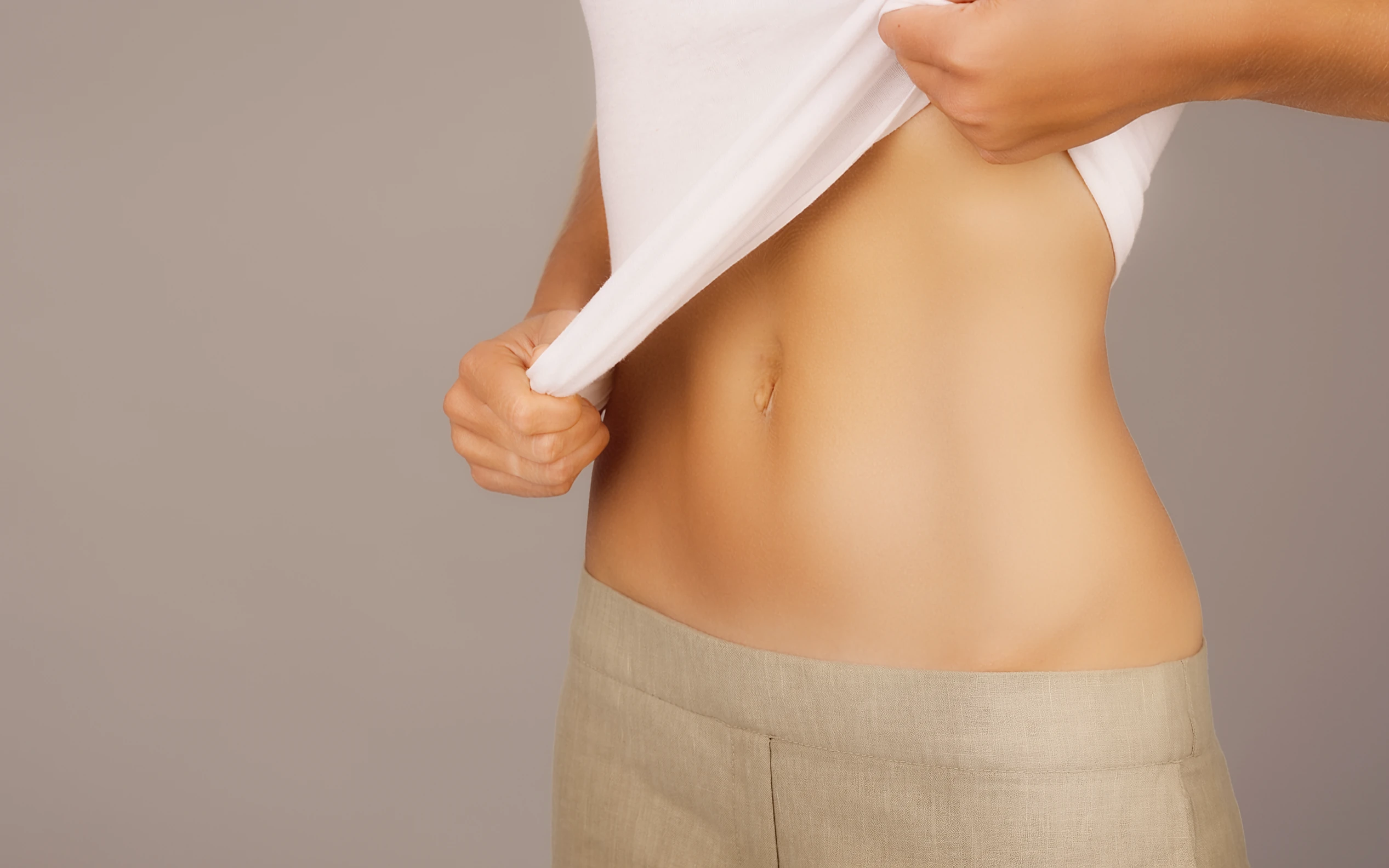
Liposuction & body contouring
Reshaping the body's contour by removing stubborn fat from defined areas, and where suitable, revealing the natural muscle definition beneath (4D body contouring).
Read more
Abdominoplasty (tummy tuck)
Addressing loose skin and separated abdominal muscles that exercise cannot correct, most often after pregnancy or weight loss.
Read more
Autologous fat grafting
Using the body's own fat to restore lost volume or improve the quality of specific areas, with living tissue from the patient.
Read more