
Autologous fat grafting
The advantage of your own fat is that it is living tissue, not a foreign body. But part of it is always reabsorbed, and it is important to know that before the procedure.
What is fat grafting, and how is it performed?
The procedure has three stages. Fat is harvested gently from an area of surplus (usually the abdomen, flanks or thighs), then processed and purified to remove fluid, oil and damaged tissue, and finally injected into the target area in very fine layers rather than as a single mass — because each small parcel needs to sit against living tissue in order to acquire a blood supply and survive.
This largely decides how well the result holds; the technique of placement matters no less than the volume placed.
How much of the grafted fat survives?
Not all of it: a proportion is always reabsorbed in the first months, and how much varies from person to person and from area to area. That is why a second session is sometimes planned.
This is the single most important fact about the procedure. A proportion of grafted fat is reabsorbed over the first months — a natural biological process that cannot be overridden. The proportion that remains varies with the area, the injection technique, individual tissue characteristics, smoking, and the care taken afterwards.
Planning therefore anticipates the possible need for a second session once the result has settled. That is not a failure of the first procedure but an expected part of the plan. Any promise of a specific, high, guaranteed survival rate has no basis in the underlying biology.
Who is fat grafting for, and who needs another option?
Someone with enough spare fat to harvest, a clear volume or contour problem, and acceptance that more than one session may be needed. A very lean person or an active smoker usually is not.
- Those with sufficient fat at a donor site — a basic requirement; someone very lean may not be a candidate simply for lack of material.
- Those seeking to correct a volume deficit or contour irregularity, or to improve areas left unsatisfactory by previous surgery.
- Those who accept that more than one session may be needed.
Smoking reduces blood supply and lowers graft survival, so stopping is required before and after the procedure.
Where are the scars after fat grafting?
There are hardly any: fat is harvested and injected through very small openings of no more than a few millimetres, placed in nearly hidden spots.
The openings fade gradually until they are barely visible within several months.
How long is recovery after fat grafting?
Visible swelling lasts about two weeks, and the result settles over three to six months.
Recovery involves two areas rather than one: the donor site from which fat was harvested (swelling and bruising similar to light liposuction), and the injected site.
- First two weeks: visible swelling that makes the volume appear larger than the final result.
- Pressure on the grafted area: avoided according to specific instructions, because early pressure directly affects graft survival.
- Result settling: three to six months, at which point what has taken and what may need topping up can be assessed.
- Compression garment: worn on the donor area for four to six weeks as instructed.
- Physical work: a gradual return between two and three weeks after surgery.
- Driving: depending on pain and ease of movement; usually about one week after surgery.
- Air travel: stay for at least one week after surgery so the wounds can be checked and the stitches removed; after that, travel is possible with the necessary precautions.
Follow-up after autologous fat grafting
You are seen one to two times during the first week, three to four times during the first month, then every two to three months until six months. Certain cases are followed annually thereafter. Missing these visits can delay the recognition of a complication.
Possible risks and complications of autologous fat grafting
Possible risks and complications include: reabsorption of a variable proportion of the graft, irregularity or asymmetry, firm fat lumps or oil cysts, calcifications that may later appear on imaging, infection, bleeding and haematoma at either the donor or injected site, fat necrosis, anaesthetic risks, and very rarely fat thrombosis.
Questions about autologous fat grafting
Is the result permanent?
Fat that successfully acquires a blood supply and survives beyond the first months is permanent living tissue. It behaves like the rest of your body fat, however: it enlarges if you gain weight and shrinks if you lose it.
Is it better than filler?
It is not better in absolute terms, but different. Fat is your own living, permanent tissue, but it changes with body weight and needs a surgical procedure. Filler is simpler and not affected by weight, but it is temporary and a foreign material. The choice depends on the area and the goal.
How many sessions will I need?
The first session is planned and the result reassessed once settled, at three to six months. Some cases need only one session; others benefit from a second.
Ask about this procedure
Send your enquiry on WhatsApp and a member of the team will reply during working hours to arrange a suitable appointment.
Ask on WhatsAppRelated procedures
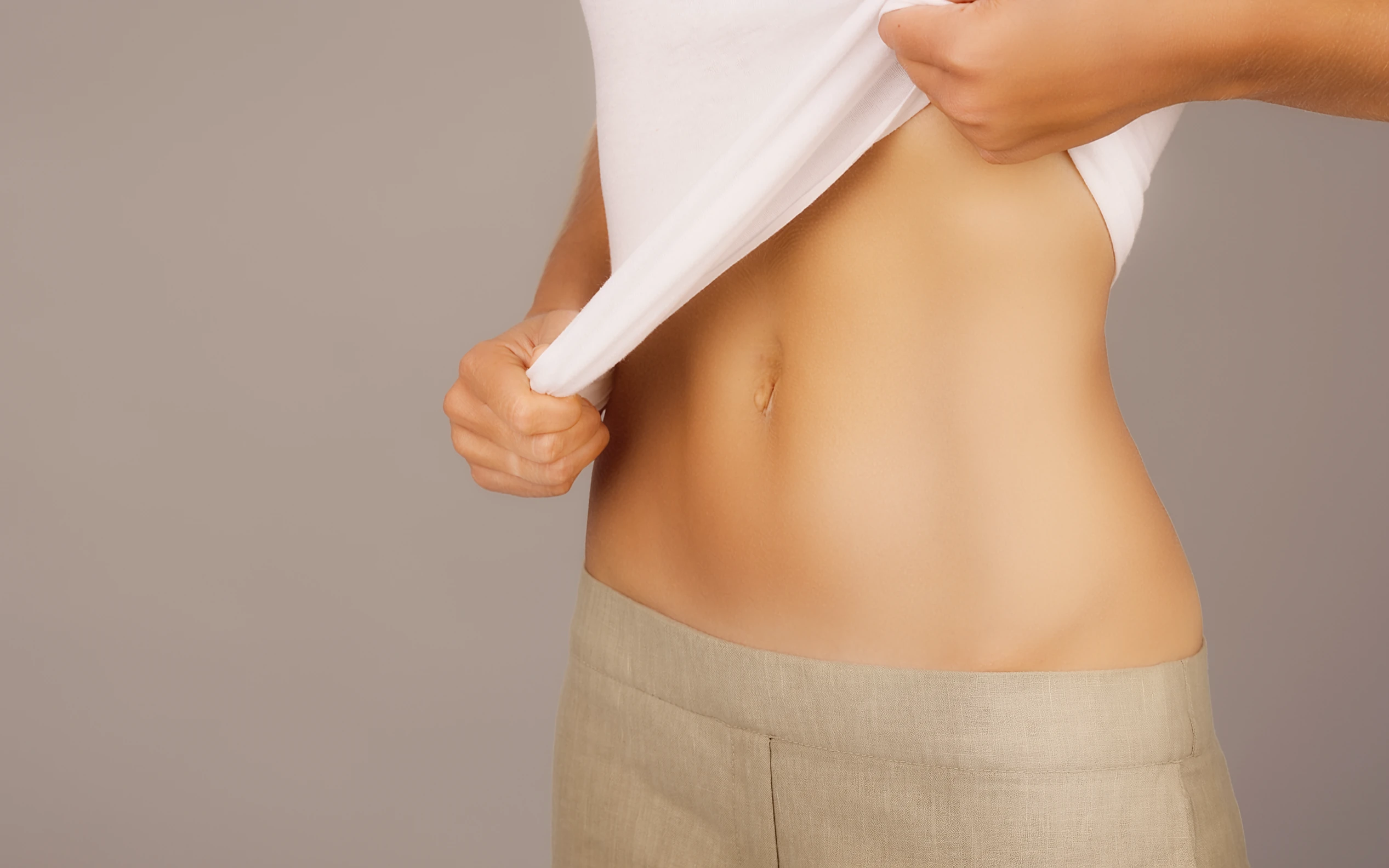
Liposuction & body contouring
Reshaping the body's contour by removing stubborn fat from defined areas, and where suitable, revealing the natural muscle definition beneath (4D body contouring).
Read more
Abdominoplasty (tummy tuck)
Addressing loose skin and separated abdominal muscles that exercise cannot correct, most often after pregnancy or weight loss.
Read more
Arm & thigh lift
Addressing loose skin of the arms or thighs where liposuction alone is not enough.
Read more