
Otoplasty
Prominent ears usually have one of two causes — a missing fold or a deep bowl of cartilage — and the operation corrects whichever is present.
What does otoplasty do?
Otoplasty sets prominent ears closer to the head by recreating the ear's natural fold and, where needed, reducing the depth of the cartilage bowl.
The cartilage is reshaped with permanent internal stitches and, in some cases, light scoring of its front surface. The aim is ears that sit naturally from the front and the side — not ears flattened against the head.
Who is otoplasty suitable for?
Children from about six years old, when the ear has almost reached adult size, and adults of any age who are bothered by the prominence.
- A child who does not want it: the operation is offered when the child is aware of and bothered by the ears, and can cooperate with the aftercare.
- Infants: in the first weeks of life, moulding with splints may correct the shape without surgery.
- Active ear infection or skin problem: treated first.
Where is the scar after otoplasty?
Behind the ear.
It is not visible from the front and is usually hard to find once healed. Rarely, a thickened scar (keloid) forms behind the ear, more often in people prone to them.
How long is recovery after otoplasty?
Most people return to school or desk work within about a week; a headband is worn at night for several weeks.
- First days: a padded head dressing; the ears ache and feel tight.
- Headband: day and night at first, then at night for several weeks, to protect the new shape.
- Contact sports and swimming: deferred for several weeks.
- Final shape: settled by about three months.
- Physical work: a gradual return between two and three weeks after surgery.
- Driving: depending on pain and ease of movement; usually about one week after surgery.
- Air travel: stay for at least one week after surgery so the wounds can be checked and the stitches removed; after that, travel is possible with the necessary precautions.
Follow-up after otoplasty
You are seen one to two times during the first week, three to four times during the first month, then every two to three months until six months. Certain cases are followed annually thereafter. Missing these visits can delay the recognition of a complication.
Possible risks and complications of otoplasty
Possible risks and complications include: partial return of prominence, asymmetry between the ears, an over-corrected or unnatural contour, visible or palpable stitches, a thickened scar behind the ear, bleeding, infection of the skin or cartilage, temporary numbness, and anaesthetic risks.
Questions about otoplasty
Is otoplasty done under general anaesthesia?
In children it usually is. Adults can often have it under local anaesthesia, with or without sedation.
Can the ears return to how they were?
A degree of relapse can occur, especially in the first weeks if the ear is bent or knocked, which is why the headband matters. Significant relapse is uncommon.
Ask about this procedure
Send your enquiry on WhatsApp and a member of the team will reply during working hours to arrange a suitable appointment.
Ask on WhatsAppRelated procedures

Face lift
Lifting the deeper layers of the face and neck that have sagged with age, rather than tightening the skin alone.
Read more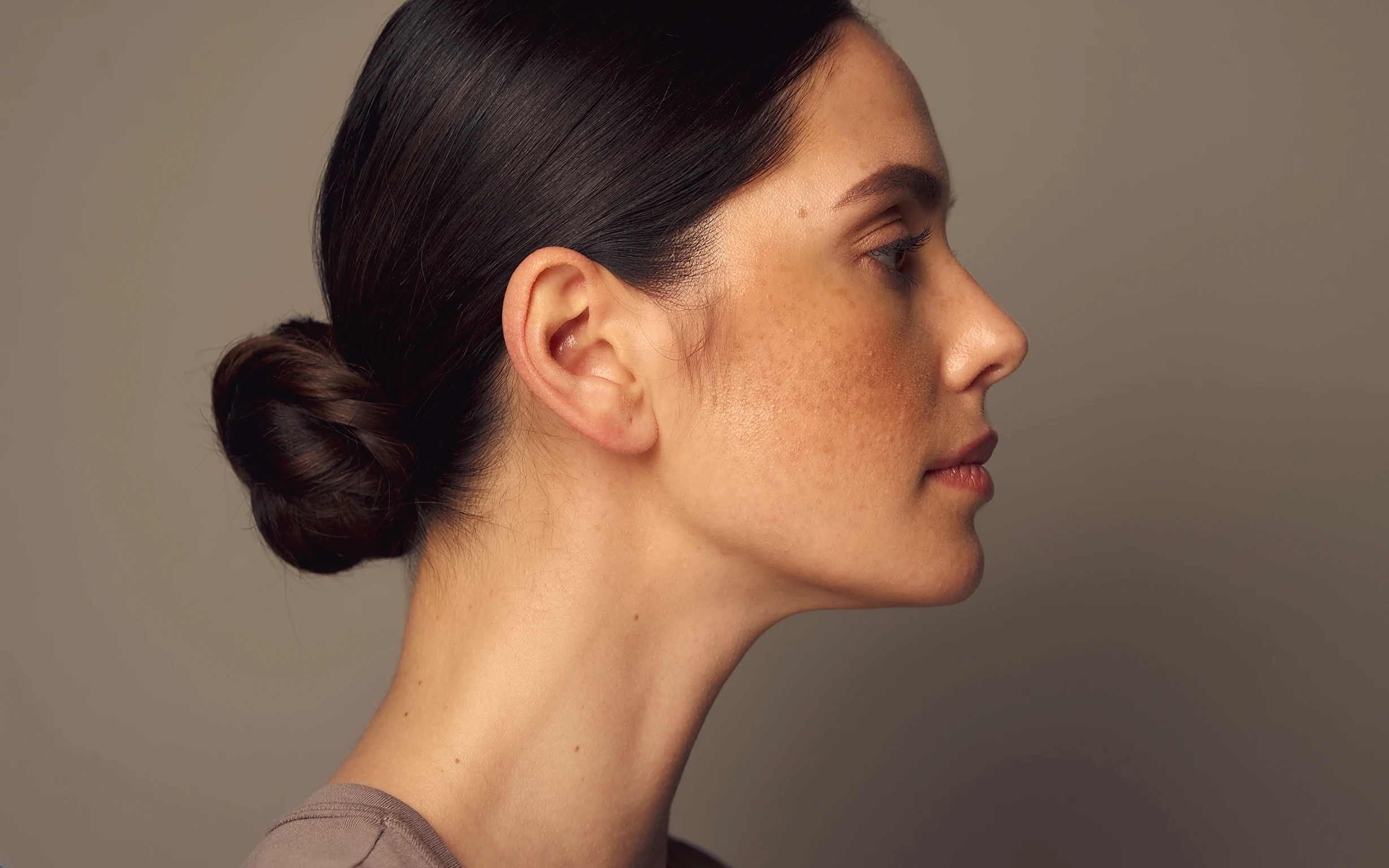
Neck lift
Tightening the neck muscle, removing excess skin and, where needed, treating fat beneath the chin, to restore a natural, attractive definition of the jawline.
Read more
Ponytail facelift (endoscopic)
An endoscopic lift of the brow, the outer eye and the mid-face through small openings hidden within the scalp.
Read more