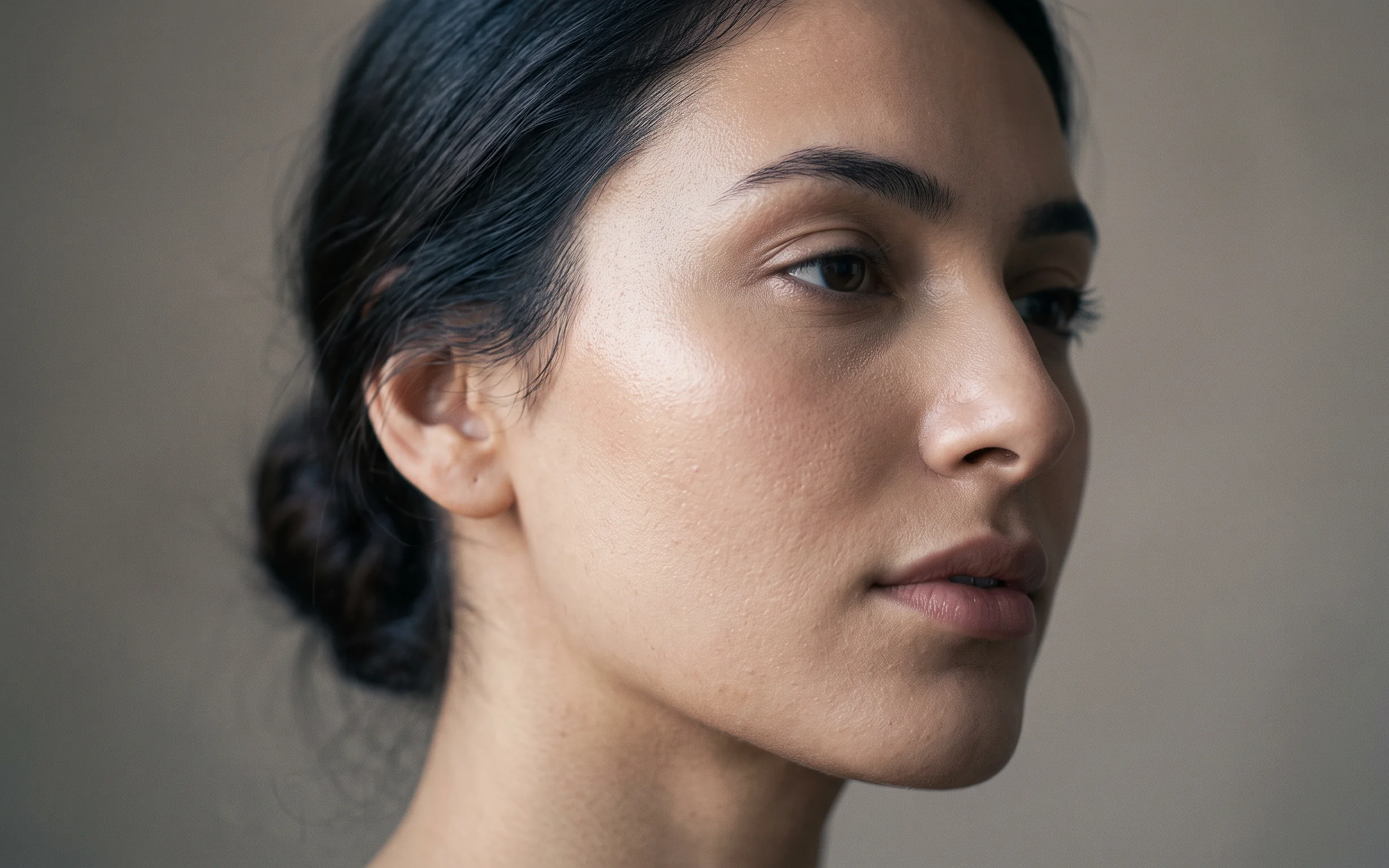
PRP — face
PRP uses a concentrate of your own platelets. Its effects on the skin are gradual and modest — it is a supporting treatment, not a substitute for others.
What is PRP for the face?
PRP (platelet-rich plasma) is prepared by drawing a small sample of the patient's blood and spinning it to concentrate the platelets, which carry growth factors. It is then injected into or applied to the skin of the face.
It is used to support skin texture, tone and fine lines, and the under-eye area, most often together with microneedling. Evidence suggests a gradual, modest improvement; results vary between people.
Who is PRP suitable for — and who should avoid it?
Adults seeking a gradual improvement in skin quality using their own blood products.
- Blood disorders, low platelet counts, or anticoagulant treatment: assessed before treatment.
- Active skin infection: treated first.
- Active cancer or systemic illness: treatment is usually deferred.
- Expectation of a dramatic change: PRP's effect is subtle.
What does a PRP session involve?
A blood sample is drawn from the arm, processed for a few minutes, then applied with microneedling or fine injections after numbing cream; no incisions or scars.
Is there downtime after facial PRP?
Redness and mild swelling usually settle in one to two days; small bruises at injection points may last a few days longer.
- Course: commonly three sessions about four weeks apart, then maintenance.
- Aftercare: gentle skincare and sun protection.
Possible risks and complications of PRP for the face
Possible side effects include: redness, swelling, bruising, tenderness, temporary lumpiness, and rarely infection. Because the material is the patient's own, allergic reaction is very unlikely.
Questions about PRP for the face
Is PRP the same as a “vampire facial”?
That name is often used for PRP combined with microneedling. The treatment is the same in principle.
How long do PRP results last?
Improvement builds over a course of sessions and is maintained with periodic treatment; it varies from person to person, and the effect usually lasts one to two months.
Ask about this procedure
Send your enquiry on WhatsApp and a member of the team will reply during working hours to arrange a suitable appointment.
Ask on WhatsAppRelated procedures
Microneedling
Creating controlled micro-channels in the skin to stimulate collagen — for texture, fine lines, pores and acne scars.
Read more
Facial rejuvenation
A tailored combination of non-surgical treatments — skin quality, volume and muscle movement — planned for the face as a whole.
Read more
PRP — hair
Injecting platelet-rich plasma from the patient's own blood into the scalp to support thinning hair.
Read more